

And What Happens When We Do
Children ask “Why?” constantly; somewhere along the way, most of us stop—and that may be more dangerous than we realize.
When children are young, “Why?” seems to follow almost everything we tell them. They want to understand, and they usually take their questions to the people they trust most. But as we grow older, something changes. We learn more—but strangely, we often question less.
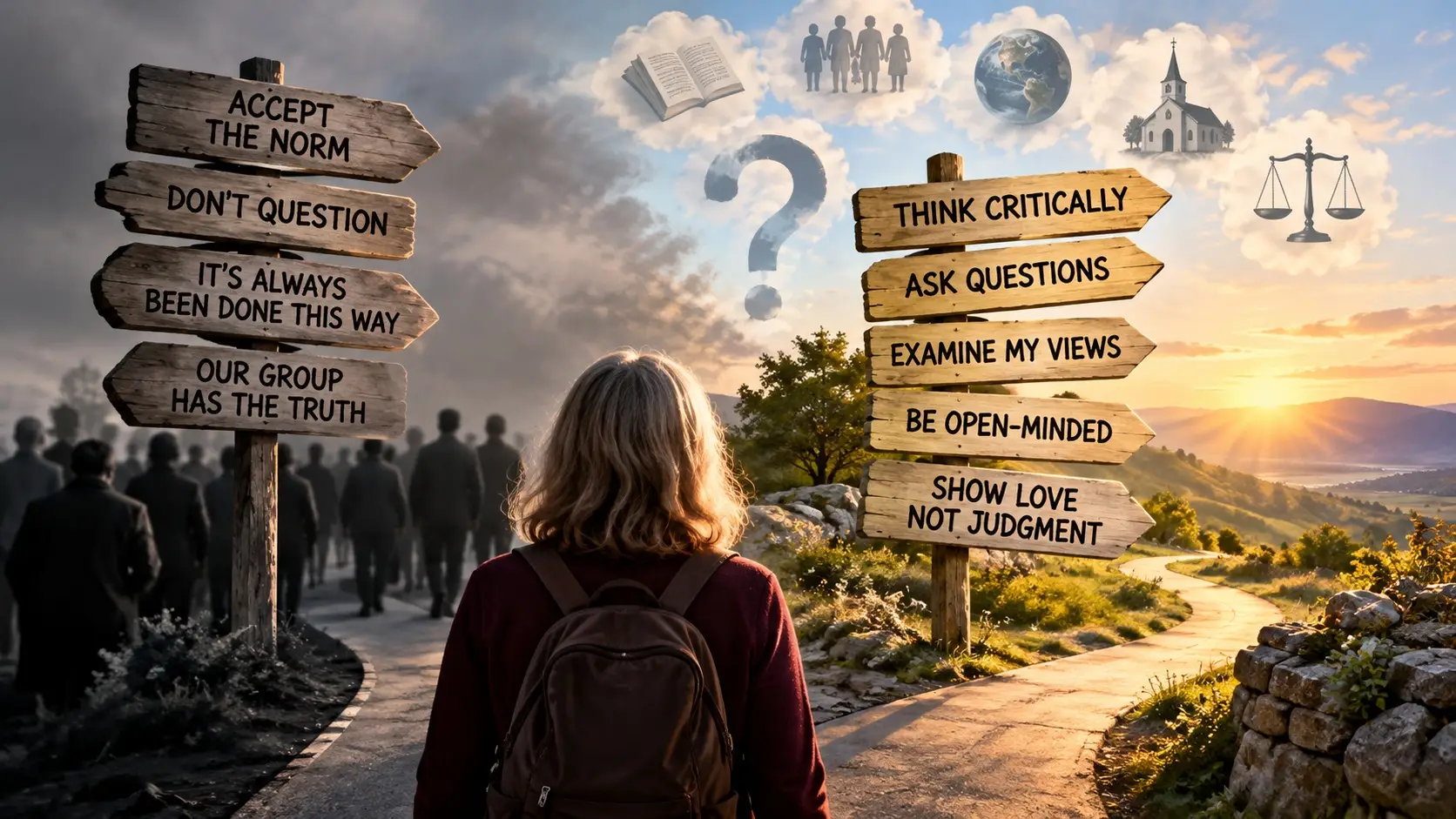
Instead of continuing to ask why, we begin accepting what our culture, traditions, families, professions, and even our churches have taught us is simply “the way things are.” Familiarity can begin to feel like proof. Repetition can begin to feel like truth.
But what happens when what we have stopped questioning is wrong?
History gives sobering examples. Ignaz Semmelweis showed that handwashing dramatically reduced deaths from childbed fever, yet his evidence was resisted for years. In the Soviet Union, Lysenkoism was protected by political ideology even when it conflicted with sound genetics, with serious consequences for science and agriculture. In both cases, accepted assumptions were defended long after they should have been questioned.
The same habit appears in ordinary life, although the consequences are not always so serious. Why do we eat the way we do? Why do we arrange a table the way we do? Why do we organize our work, family life, worship, or institutions in familiar patterns? Some conventions are harmless. Others may shape our health, relationships, beliefs, or priorities far more than we realize.
I think there are at least two levels of “Why?” questions worth asking.
The first is the everyday, operational level: Why do we do this particular thing this particular way? For example: Why do we “do church” the way we “do church”? The purpose is not to reject tradition simply because it is tradition, but to understand the reasons behind what we believe and practice—and to ask whether those reasons still deserve our confidence.
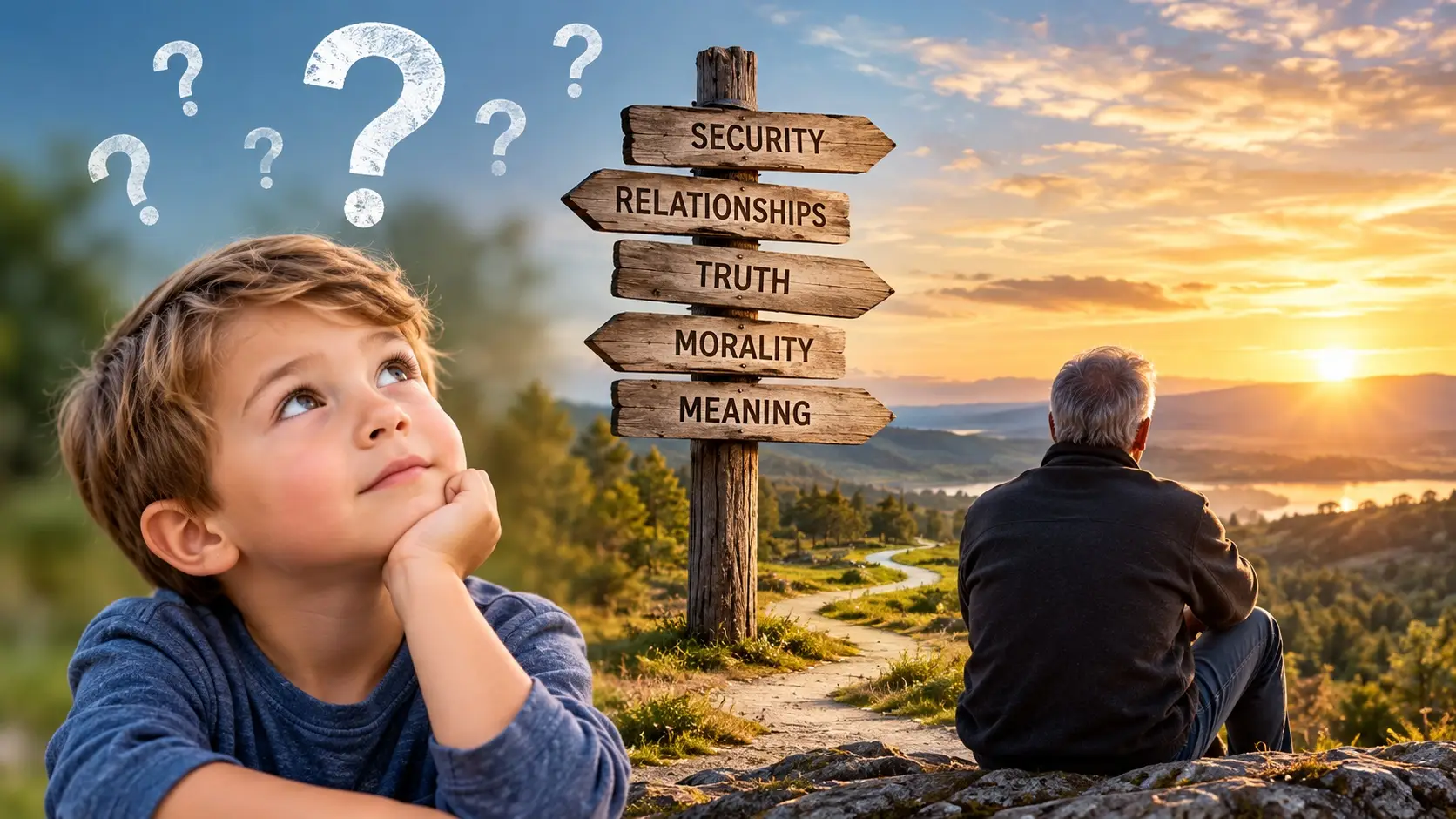
The second level is deeper. These are the questions beneath many of our choices, fears, loyalties, and disagreements. Five areas in particular deserve continuing reflection:
- Security — “What makes us feel secure?”
- Relationships — “Why are we so connected and yet so lonely?”
- Truth — “How do I know what is true?”
- Morality — “Who decides what is right?”
- Meaning — “What makes a life worth living?”

One Response
Excellent thoughts! Used to try to “teach” students to do “think.” Not sure that still happens. Wonder?