
Insights of a Thoughtful Life 

Reflective thoughts, original poems and cultural commentary–posted weekly

“Thoughts That Stir the Mind and Steady the Heart”

Personal reflections on faith, life, and contemporary culture, written to encourage attentiveness, clarity, and thoughtful consideration

Why Life Feels Faster Than It Ever Did

This reflection traces how the rhythm of daily life has steadily tightened over time—and why that matters before we decide what comes next.

All of this can lead to what might be called overload. We are faced with a growing volume of information, arriving with increasing speed and complexity. The question becomes not only how we manage it all, but how we decide what matters most—and whether we allow ourselves the time to reflect before moving on.
When I look back across my lifetime, what stands out most is not simply how much life has changed, but how much faster everything now seems. I was born and raised in a very different time. I lived with my grandparents on a sharecropper’s farm, where we planted and raised our crops using horses. It took us all day to travel the seven miles or so into town and back to buy groceries. Communication with others was by mail, and town and county news came from a weekly newspaper.

Eventually, we acquired an old car. The time it took to get to town was compressed, though the pace of life itself did not change much—there was simply more time once we arrived. We began receiving information over the radio, and I started going to the movies every Saturday when we were in town. In those days, there was an extensive newsreel before the cartoons and double-feature films.

The pace picked up considerably when both of my grandparents began working in town. During junior high and high school, I had a job at The Great Atlantic and Pacific Tea Company. At the time, it was one of the largest grocery store chains in the United States—though it no longer exists in the form it once did. With work, school, band, and church activities, life became much busier than my earlier childhood days on the farm.

At the same time, technological advances were accelerating the pace of change. By the time I entered the university in 1959, most people I knew had cars, radios, dial-up telephones, and televisions. Fast food at places like Dairy Queen enabled quick meals during work breaks and new forms of leisure for teenagers, no longer dependent on meals prepared at home.

I majored in electrical engineering and later built the UHF transceiver used in astronauts’ backpacks. It used some of the first discrete transistors. At the time, transistors were transforming electronics and communication. Today, trillions of transistors reside on a single integrated circuit.

As expectations rose alongside these advances, what was demanded of engineers became increasingly intense. In 1963, I had twelve different job offers. I did not take a position at Texas Instruments, recognizing that many of their engineers had little time for much else in their lives.

I have witnessed the transition from life without cars or electricity to instant, video-based communication and today’s iPhone marvels—along with artificial intelligence, routine space travel, and robotics. Each day brings something new, replacing previous methods and tools almost as soon as we learn them.

As a professor of engineering, I told my students they would likely change professions seven times over the course of their careers. That was twenty-two years ago. Skills now become outdated rapidly, and this acceleration demands quick responses to nearly everything. We feel it when a website takes more than a second or two to load—an impatience that has become normal in many areas of life.

Yet, while productivity has increased, expectations have not lessened. Our lives have become denser and more complex. Technological change has been largely worthwhile, but social change—in work, education, religion, and leisure—has accelerated as well. Together, they have reshaped the pace of life we now experience.

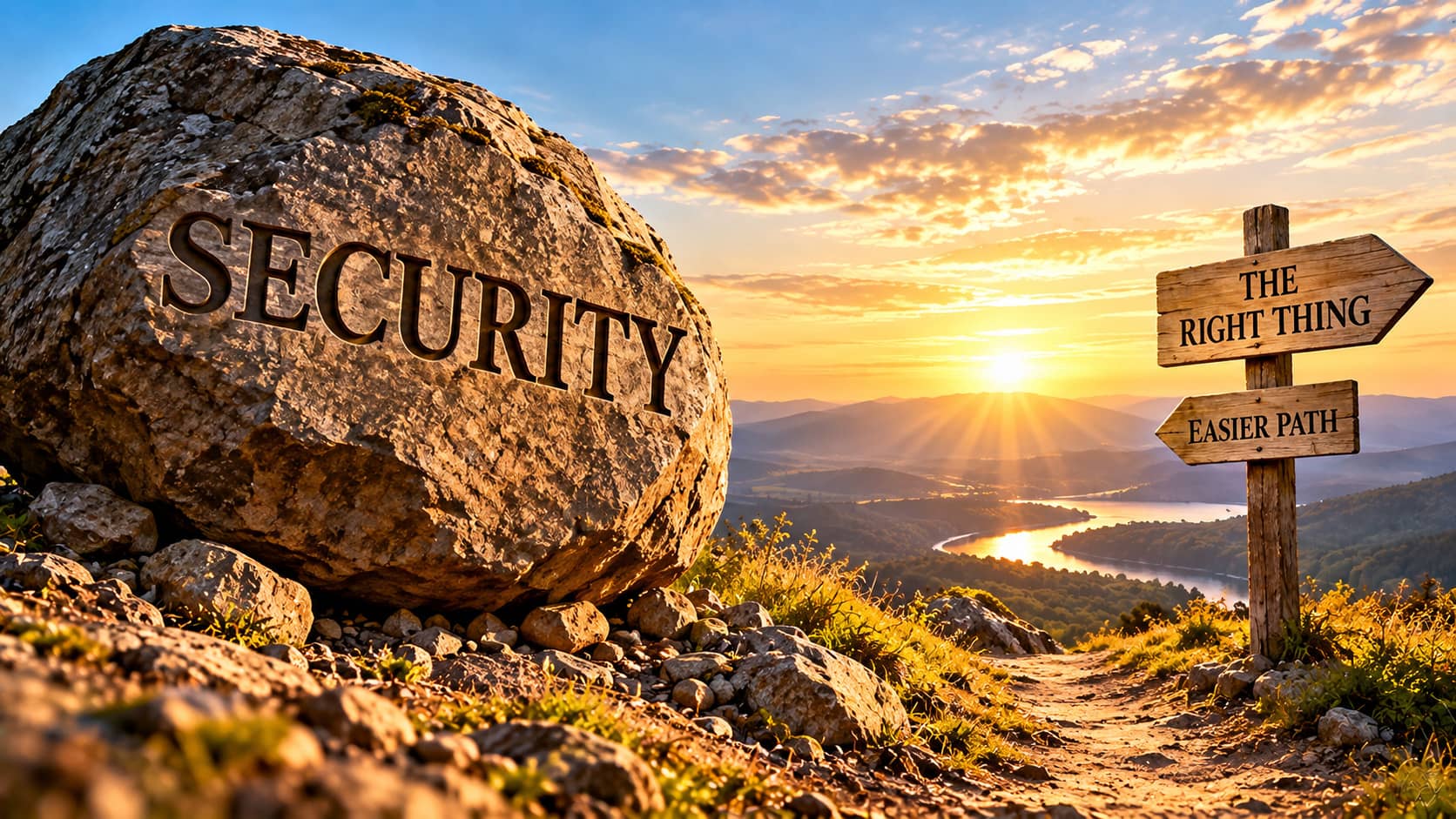
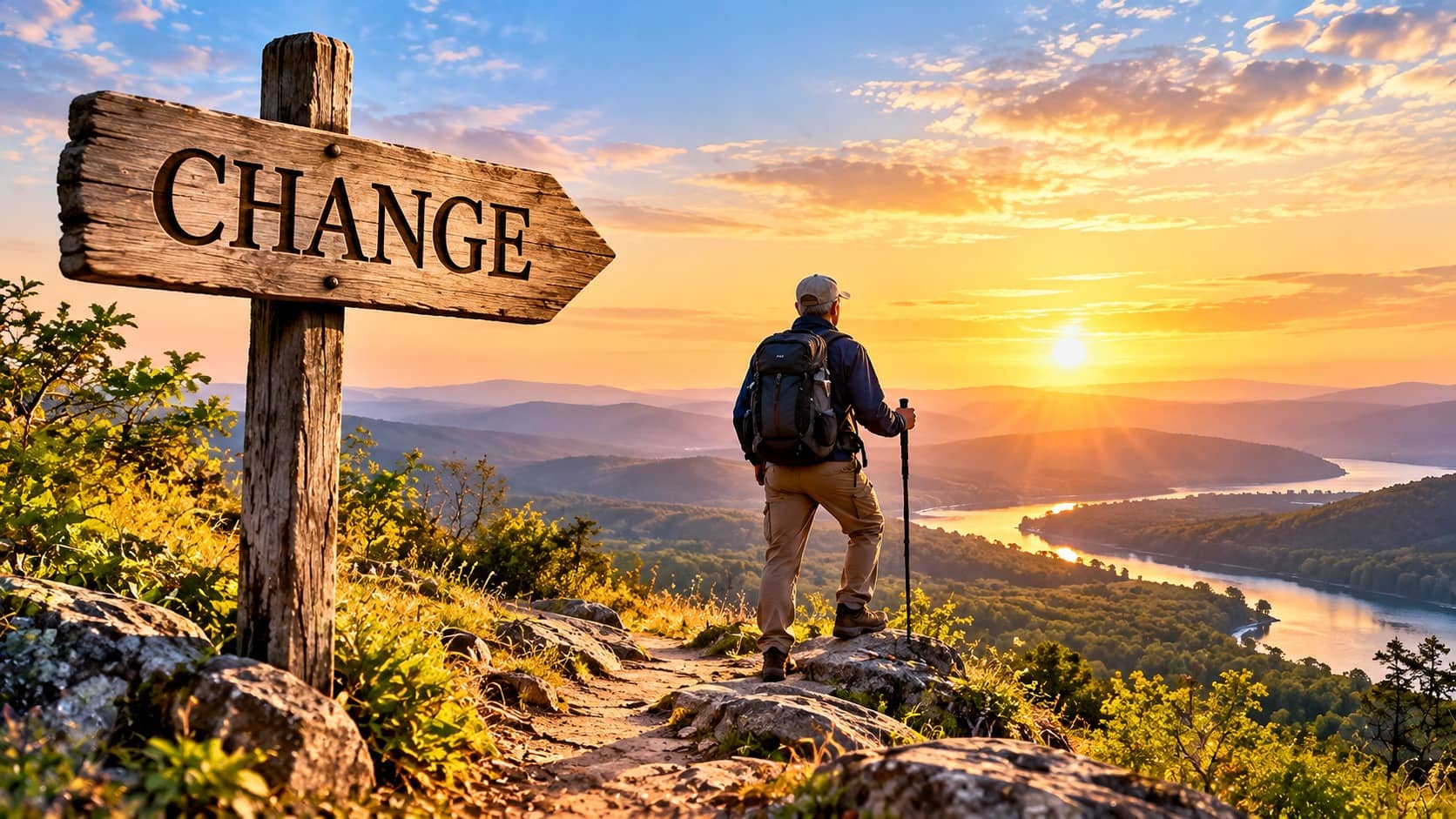
All of this can lead to what might be called overload. We are faced with a growing volume of information, arriving with increasing speed and complexity. The question becomes not only how we manage it all, but how we decide what matters most—and whether we allow ourselves the time to reflect before moving on.
5 Responses

  1. EExcellent article. Along with the advanced pace & more info & expectations, it has become harder to discern truth. Choices are harder because we don’t want to waste our time on untruth. Need lots of prayers!

  2. The overload makes our brains get used to “The Quick”. –Ariana
    I also also think unfortunately the rate of speed in which things are in demand create a facade that it’s good and healthy and better —-and in some cases it is. But in some cases, take psychologically for example the same population who creates this demand also agree that there’s something to relish about times in the past when life was slower and more simple. Even just growing up in the 80s I can tell you we all knew what we could count on because there was so much homogeneous ness….
    We all could count on that there were three or four colors of cars people bought, there were three or four channels on TV to choose from. Johnny Carson was on every night and even for his tenure it was okay that Jay Leno was on every night you just knew what was happening every day and every night . The definition of right was right in wrong was wrong… Most everybody believed in God and some of the biggest differences between Democrats and Republicans was their view on taxes. For the most part most people and life itself in America was on the same page . Everybody owned an Atari or an intellivision. Patriotism was taught in schools and every home. Divorces didnt really hapoen and eveyone had their mom and dad. We even just had three or four different types of media that we engaged with and it was simple. You popped in a tape! You hit the record button. But now comes rapid change and rapid confusion and now everything seems a blur. Back then “New” happened in decades. “New—now— seems monthly”. It’s all a blur.

  3. Thx Lynn, I agree with Erma, an excellent article and reflection as to what’s been going on for the past 50-75 years. But it’s “progress” as they say. Bill Gates wrote a book years ago entitled, “Business at the speed of light.” I don’t see things slowing down anything soon. It’s all about “priorities” and “time management”……what really is important in the long run. One can watch FB videos (or other social media platforms) all day long and I’ve seen share but one MUST also be disciplined enough to establish priorities for those “most important” things, otherwise, one will be constantly swimming, moreover, coasting downstream imho.

  4. Your article and other comments express the present so well. Since we are both in our 80’s we did a lot of the same things growing up. I grew up in Abilene, probably one of the most conservatives cities in the states at that time. I loved it. We were busy but not overwhelmed. I was working in St. Paul, Mn, in my 40’s when computers were first introduced in our organization. Each year what we had to learn got more complex. I was able to work for the same military organization for 30 years with a nice pension. My husband got to work for the BN railroad for 30 years with a nice pension. There was loyalty by the employer and the employee. I didn’t mind at times having to work 60 hours a week because I didn’t hold resentment towards my employer. Today, the corporate world and the Federal government don’t have that same loyalty. It’s no wonder people are overwhelmed. You might walk in one day and be told you no longer are needed. College graduates can’t get decent jobs for most part. This is not the America I once remembered.

Leave a Reply

Your email address will not be published. Required fields are marked *

Related Posts

What is Truth?

This poem reflects on a question that quietly shapes how we live, trust, and relate to one another—especially when truth

Read More

Why Life Feels Faster Than It Ever Did

This reflection traces how the rhythm of daily life has steadily tightened over time—and why that matters before we decide what comes next.

All of this can lead to what might be called overload. We are faced with a growing volume of information, arriving with increasing speed and complexity. The question becomes not only how we manage it all, but how we decide what matters most—and whether we allow ourselves the time to reflect before moving on.

When I look back across my lifetime, what stands out most is not simply how much life has changed, but how much faster everything now seems. I was born and raised in a very different time. I lived with my grandparents on a sharecropper’s farm, where we planted and raised our crops using horses. It took us all day to travel the seven miles or so into town and back to buy groceries. Communication with others was by mail, and town and county news came from a weekly newspaper.

Eventually, we acquired an old car. The time it took to get to town was compressed, though the pace of life itself did not change much—there was simply more time once we arrived. We began receiving information over the radio, and I started going to the movies every Saturday when we were in town. In those days, there was an extensive newsreel before the cartoons and double-feature films.

The pace picked up considerably when both of my grandparents began working in town. During junior high and high school, I had a job at The Great Atlantic and Pacific Tea Company. At the time, it was one of the largest grocery store chains in the United States—though it no longer exists in the form it once did. With work, school, band, and church activities, life became much busier than my earlier childhood days on the farm.

At the same time, technological advances were accelerating the pace of change. By the time I entered the university in 1959, most people I knew had cars, radios, dial-up telephones, and televisions. Fast food at places like Dairy Queen enabled quick meals during work breaks and new forms of leisure for teenagers, no longer dependent on meals prepared at home.

I majored in electrical engineering and later built the UHF transceiver used in astronauts’ backpacks. It used some of the first discrete transistors. At the time, transistors were transforming electronics and communication. Today, trillions of transistors reside on a single integrated circuit.

As expectations rose alongside these advances, what was demanded of engineers became increasingly intense. In 1963, I had twelve different job offers. I did not take a position at Texas Instruments, recognizing that many of their engineers had little time for much else in their lives.

I have witnessed the transition from life without cars or electricity to instant, video-based communication and today’s iPhone marvels—along with artificial intelligence, routine space travel, and robotics. Each day brings something new, replacing previous methods and tools almost as soon as we learn them.

As a professor of engineering, I told my students they would likely change professions seven times over the course of their careers. That was twenty-two years ago. Skills now become outdated rapidly, and this acceleration demands quick responses to nearly everything. We feel it when a website takes more than a second or two to load—an impatience that has become normal in many areas of life.

Yet, while productivity has increased, expectations have not lessened. Our lives have become denser and more complex. Technological change has been largely worthwhile, but social change—in work, education, religion, and leisure—has accelerated as well. Together, they have reshaped the pace of life we now experience.

All of this can lead to what might be called overload. We are faced with a growing volume of information, arriving with increasing speed and complexity. The question becomes not only how we manage it all, but how we decide what matters most—and whether we allow ourselves the time to reflect before moving on.

Share the Post:

Related Posts

What is Truth?

This poem reflects on a question that quietly shapes how we live, trust, and relate to one another—especially when truth

Read More

Why Life Feels Faster Than It Ever Did

This reflection traces how the rhythm of daily life has steadily tightened over time—and why that matters before we decide what comes next.

All of this can lead to what might be called overload. We are faced with a growing volume of information, arriving with increasing speed and complexity. The question becomes not only how we manage it all, but how we decide what matters most—and whether we allow ourselves the time to reflect before moving on.

When I look back across my lifetime, what stands out most is not simply how much life has changed, but how much faster everything now seems. I was born and raised in a very different time. I lived with my grandparents on a sharecropper’s farm, where we planted and raised our crops using horses. It took us all day to travel the seven miles or so into town and back to buy groceries. Communication with others was by mail, and town and county news came from a weekly newspaper.

Eventually, we acquired an old car. The time it took to get to town was compressed, though the pace of life itself did not change much—there was simply more time once we arrived. We began receiving information over the radio, and I started going to the movies every Saturday when we were in town. In those days, there was an extensive newsreel before the cartoons and double-feature films.

The pace picked up considerably when both of my grandparents began working in town. During junior high and high school, I had a job at The Great Atlantic and Pacific Tea Company. At the time, it was one of the largest grocery store chains in the United States—though it no longer exists in the form it once did. With work, school, band, and church activities, life became much busier than my earlier childhood days on the farm.

At the same time, technological advances were accelerating the pace of change. By the time I entered the university in 1959, most people I knew had cars, radios, dial-up telephones, and televisions. Fast food at places like Dairy Queen enabled quick meals during work breaks and new forms of leisure for teenagers, no longer dependent on meals prepared at home.

I majored in electrical engineering and later built the UHF transceiver used in astronauts’ backpacks. It used some of the first discrete transistors. At the time, transistors were transforming electronics and communication. Today, trillions of transistors reside on a single integrated circuit.

As expectations rose alongside these advances, what was demanded of engineers became increasingly intense. In 1963, I had twelve different job offers. I did not take a position at Texas Instruments, recognizing that many of their engineers had little time for much else in their lives.

I have witnessed the transition from life without cars or electricity to instant, video-based communication and today’s iPhone marvels—along with artificial intelligence, routine space travel, and robotics. Each day brings something new, replacing previous methods and tools almost as soon as we learn them.

As a professor of engineering, I told my students they would likely change professions seven times over the course of their careers. That was twenty-two years ago. Skills now become outdated rapidly, and this acceleration demands quick responses to nearly everything. We feel it when a website takes more than a second or two to load—an impatience that has become normal in many areas of life.

Yet, while productivity has increased, expectations have not lessened. Our lives have become denser and more complex. Technological change has been largely worthwhile, but social change—in work, education, religion, and leisure—has accelerated as well. Together, they have reshaped the pace of life we now experience.

All of this can lead to what might be called overload. We are faced with a growing volume of information, arriving with increasing speed and complexity. The question becomes not only how we manage it all, but how we decide what matters most—and whether we allow ourselves the time to reflect before moving on.

Share the Post:

Related Posts

What is Truth?

This poem reflects on a question that quietly shapes how we live, trust, and relate to one another—especially when truth

Read More

“Thoughts That Stir the Mind and Steady the Heart”

Why Life Feels Faster Than It Ever Did

This reflection traces how the rhythm of daily life has steadily tightened over time—and why that matters before we decide what comes next.

All of this can lead to what might be called overload. We are faced with a growing volume of information, arriving with increasing speed and complexity. The question becomes not only how we manage it all, but how we decide what matters most—and whether we allow ourselves the time to reflect before moving on.

When I look back across my lifetime, what stands out most is not simply how much life has changed, but how much faster everything now seems. I was born and raised in a very different time. I lived with my grandparents on a sharecropper’s farm, where we planted and raised our crops using horses. It took us all day to travel the seven miles or so into town and back to buy groceries. Communication with others was by mail, and town and county news came from a weekly newspaper.

Eventually, we acquired an old car. The time it took to get to town was compressed, though the pace of life itself did not change much—there was simply more time once we arrived. We began receiving information over the radio, and I started going to the movies every Saturday when we were in town. In those days, there was an extensive newsreel before the cartoons and double-feature films.

The pace picked up considerably when both of my grandparents began working in town. During junior high and high school, I had a job at The Great Atlantic and Pacific Tea Company. At the time, it was one of the largest grocery store chains in the United States—though it no longer exists in the form it once did. With work, school, band, and church activities, life became much busier than my earlier childhood days on the farm.

At the same time, technological advances were accelerating the pace of change. By the time I entered the university in 1959, most people I knew had cars, radios, dial-up telephones, and televisions. Fast food at places like Dairy Queen enabled quick meals during work breaks and new forms of leisure for teenagers, no longer dependent on meals prepared at home.

I majored in electrical engineering and later built the UHF transceiver used in astronauts’ backpacks. It used some of the first discrete transistors. At the time, transistors were transforming electronics and communication. Today, trillions of transistors reside on a single integrated circuit.

As expectations rose alongside these advances, what was demanded of engineers became increasingly intense. In 1963, I had twelve different job offers. I did not take a position at Texas Instruments, recognizing that many of their engineers had little time for much else in their lives.

I have witnessed the transition from life without cars or electricity to instant, video-based communication and today’s iPhone marvels—along with artificial intelligence, routine space travel, and robotics. Each day brings something new, replacing previous methods and tools almost as soon as we learn them.

As a professor of engineering, I told my students they would likely change professions seven times over the course of their careers. That was twenty-two years ago. Skills now become outdated rapidly, and this acceleration demands quick responses to nearly everything. We feel it when a website takes more than a second or two to load—an impatience that has become normal in many areas of life.

Yet, while productivity has increased, expectations have not lessened. Our lives have become denser and more complex. Technological change has been largely worthwhile, but social change—in work, education, religion, and leisure—has accelerated as well. Together, they have reshaped the pace of life we now experience.

All of this can lead to what might be called overload. We are faced with a growing volume of information, arriving with increasing speed and complexity. The question becomes not only how we manage it all, but how we decide what matters most—and whether we allow ourselves the time to reflect before moving on.

Share the Post:

Related Posts

What is Truth?

This poem reflects on a question that quietly shapes how we live, trust, and relate to one another—especially when truth

Read More

Why Life Feels Faster Than It Ever Did

This reflection traces how the rhythm of daily life has steadily tightened over time—and why that matters before we decide what comes next.

All of this can lead to what might be called overload. We are faced with a growing volume of information, arriving with increasing speed and complexity. The question becomes not only how we manage it all, but how we decide what matters most—and whether we allow ourselves the time to reflect before moving on.

When I look back across my lifetime, what stands out most is not simply how much life has changed, but how much faster everything now seems. I was born and raised in a very different time. I lived with my grandparents on a sharecropper’s farm, where we planted and raised our crops using horses. It took us all day to travel the seven miles or so into town and back to buy groceries. Communication with others was by mail, and town and county news came from a weekly newspaper.

Eventually, we acquired an old car. The time it took to get to town was compressed, though the pace of life itself did not change much—there was simply more time once we arrived. We began receiving information over the radio, and I started going to the movies every Saturday when we were in town. In those days, there was an extensive newsreel before the cartoons and double-feature films.

The pace picked up considerably when both of my grandparents began working in town. During junior high and high school, I had a job at The Great Atlantic and Pacific Tea Company. At the time, it was one of the largest grocery store chains in the United States—though it no longer exists in the form it once did. With work, school, band, and church activities, life became much busier than my earlier childhood days on the farm.

At the same time, technological advances were accelerating the pace of change. By the time I entered the university in 1959, most people I knew had cars, radios, dial-up telephones, and televisions. Fast food at places like Dairy Queen enabled quick meals during work breaks and new forms of leisure for teenagers, no longer dependent on meals prepared at home.

I majored in electrical engineering and later built the UHF transceiver used in astronauts’ backpacks. It used some of the first discrete transistors. At the time, transistors were transforming electronics and communication. Today, trillions of transistors reside on a single integrated circuit.

As expectations rose alongside these advances, what was demanded of engineers became increasingly intense. In 1963, I had twelve different job offers. I did not take a position at Texas Instruments, recognizing that many of their engineers had little time for much else in their lives.

I have witnessed the transition from life without cars or electricity to instant, video-based communication and today’s iPhone marvels—along with artificial intelligence, routine space travel, and robotics. Each day brings something new, replacing previous methods and tools almost as soon as we learn them.

As a professor of engineering, I told my students they would likely change professions seven times over the course of their careers. That was twenty-two years ago. Skills now become outdated rapidly, and this acceleration demands quick responses to nearly everything. We feel it when a website takes more than a second or two to load—an impatience that has become normal in many areas of life.

Yet, while productivity has increased, expectations have not lessened. Our lives have become denser and more complex. Technological change has been largely worthwhile, but social change—in work, education, religion, and leisure—has accelerated as well. Together, they have reshaped the pace of life we now experience.

All of this can lead to what might be called overload. We are faced with a growing volume of information, arriving with increasing speed and complexity. The question becomes not only how we manage it all, but how we decide what matters most—and whether we allow ourselves the time to reflect before moving on.

Share the Post:

Related Posts

What is Truth?

This poem reflects on a question that quietly shapes how we live, trust, and relate to one another—especially when truth

Read More

Why Life Feels Faster Than It Ever Did

This reflection traces how the rhythm of daily life has steadily tightened over time—and why that matters before we decide what comes next.

All of this can lead to what might be called overload. We are faced with a growing volume of information, arriving with increasing speed and complexity. The question becomes not only how we manage it all, but how we decide what matters most—and whether we allow ourselves the time to reflect before moving on.

When I look back across my lifetime, what stands out most is not simply how much life has changed, but how much faster everything now seems. I was born and raised in a very different time. I lived with my grandparents on a sharecropper’s farm, where we planted and raised our crops using horses. It took us all day to travel the seven miles or so into town and back to buy groceries. Communication with others was by mail, and town and county news came from a weekly newspaper.

Eventually, we acquired an old car. The time it took to get to town was compressed, though the pace of life itself did not change much—there was simply more time once we arrived. We began receiving information over the radio, and I started going to the movies every Saturday when we were in town. In those days, there was an extensive newsreel before the cartoons and double-feature films.

The pace picked up considerably when both of my grandparents began working in town. During junior high and high school, I had a job at The Great Atlantic and Pacific Tea Company. At the time, it was one of the largest grocery store chains in the United States—though it no longer exists in the form it once did. With work, school, band, and church activities, life became much busier than my earlier childhood days on the farm.

At the same time, technological advances were accelerating the pace of change. By the time I entered the university in 1959, most people I knew had cars, radios, dial-up telephones, and televisions. Fast food at places like Dairy Queen enabled quick meals during work breaks and new forms of leisure for teenagers, no longer dependent on meals prepared at home.

I majored in electrical engineering and later built the UHF transceiver used in astronauts’ backpacks. It used some of the first discrete transistors. At the time, transistors were transforming electronics and communication. Today, trillions of transistors reside on a single integrated circuit.

As expectations rose alongside these advances, what was demanded of engineers became increasingly intense. In 1963, I had twelve different job offers. I did not take a position at Texas Instruments, recognizing that many of their engineers had little time for much else in their lives.

I have witnessed the transition from life without cars or electricity to instant, video-based communication and today’s iPhone marvels—along with artificial intelligence, routine space travel, and robotics. Each day brings something new, replacing previous methods and tools almost as soon as we learn them.

As a professor of engineering, I told my students they would likely change professions seven times over the course of their careers. That was twenty-two years ago. Skills now become outdated rapidly, and this acceleration demands quick responses to nearly everything. We feel it when a website takes more than a second or two to load—an impatience that has become normal in many areas of life.

Yet, while productivity has increased, expectations have not lessened. Our lives have become denser and more complex. Technological change has been largely worthwhile, but social change—in work, education, religion, and leisure—has accelerated as well. Together, they have reshaped the pace of life we now experience.

All of this can lead to what might be called overload. We are faced with a growing volume of information, arriving with increasing speed and complexity. The question becomes not only how we manage it all, but how we decide what matters most—and whether we allow ourselves the time to reflect before moving on.

Share the Post:

Related Posts

What is Truth?

This poem reflects on a question that quietly shapes how we live, trust, and relate to one another—especially when truth

Read More